Most people think of skin as something purely cosmetic.
We worry about dry patches, acne, redness, pores, or signs of aging almost every day. But skin is actually much more than appearance. It’s one of the most important organs in the human body, quietly protecting us every second without us even noticing.
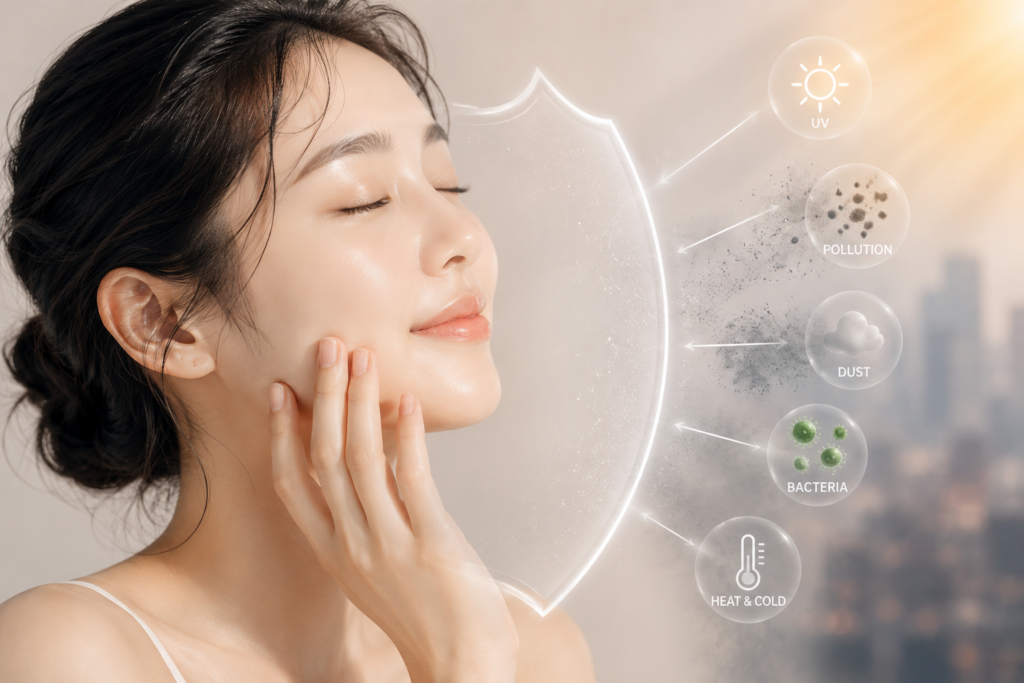
Your skin is essentially your body’s personal shield. It covers the entire surface of your body and acts as the first barrier between you and the outside world. Dust, bacteria, pollution, heat, cold, and even sunlight all reach your skin first before anything else.
What’s surprising is how thin skin really is. In some areas, like the lips, it can be incredibly delicate. In other places, like the thighs, it becomes thicker and stronger to protect the body from pressure and movement. Even though skin is flexible and resilient, it can still be damaged easily. Something as simple as paper can leave a small cut because human skin is softer than many people realize.
One of the most fascinating things about skin is its ability to heal itself. Small cuts, scratches, and irritation often disappear naturally over time because skin is constantly renewing itself. New skin cells are continuously produced while older cells move upward and eventually shed away. This natural cycle is part of the reason healthy skin can recover surprisingly well from everyday damage.
Skin also plays a major role in regulating body temperature. When your body gets too hot, sweat helps cool the skin down. Blood vessels near the surface of the skin also expand or contract depending on temperature. Without this process, the body would struggle to stay balanced, especially during hot weather or physical activity.
Another reason skin matters so much is because it contains countless nerve endings. Through your skin, your body can feel warmth, pressure, pain, softness, and texture. Even a gentle breeze or sunlight on your face is detected through the skin’s sensory system.
Your skin is also deeply connected to your immune system. In a way, the skin functions like a tiny ecosystem filled with microorganisms and protective cells working together. Healthy skin helps prevent harmful bacteria from spreading, while weakened skin barriers can lead to irritation and breakouts more easily.
Genetics also play a huge role in skin condition. Some people naturally have stronger skin barriers, fewer breakouts, or slower aging. Others may struggle with sensitivity, eczema, or chronic dryness even with consistent skincare. This is why skincare routines can help improve the skin, but they cannot completely change someone’s natural skin type.
Aging is another major factor people notice over time. Sun exposure, especially ultraviolet (UV) light, gradually affects collagen and elasticity in the skin. This process, often called photoaging, is one of the biggest reasons sunscreen is considered essential in modern skincare.
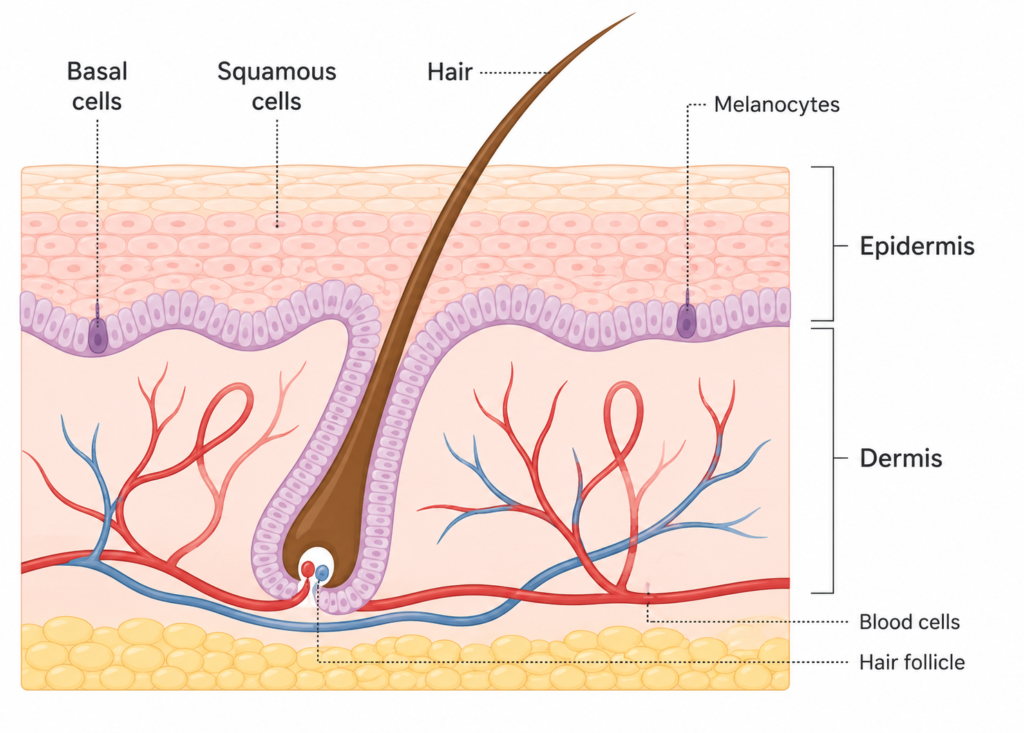
Under the surface, skin is made of several layers. The outermost layer acts as a protective barrier, while deeper layers contain collagen, blood vessels, hair follicles, and connective tissue. Beneath all of that are fat and muscle layers that help support the face and body structure.
When you start looking at skin this way, skincare becomes less about chasing perfection and more about supporting the body’s natural functions. Healthy skin is not just about looking good. It’s closely connected to sleep, stress, nutrition, hydration, hormones, immunity, and overall wellness.
That’s why good skin habits usually work best when they focus on long-term balance instead of quick fixes. Sometimes the healthiest-looking skin is simply skin that feels calm, protected, and well cared for every day.
Leave a Reply