The Complete Guide to At-Home Beauty Devices: Benefits, Technologies, and How to Choose the Right One
Not long ago, professional skin treatments were only available in dermatology clinics or medical spas. If you wanted radio frequency skin tightening, LED light therapy, or microcurrent lifting, you usually had to schedule an appointment and pay hundreds of dollars for each session.
Today, that has changed dramatically.
Modern at-home beauty devices have become more advanced, making many skin care technologies available in a compact form for everyday use. While home devices are generally less powerful than professional equipment, many are designed for regular use and can help improve skin appearance over time when used consistently.
With so many options available, however, choosing the right device can feel overwhelming. Some promise smoother skin, while others focus on lifting, reducing wrinkles, fading pigmentation, or treating acne. Understanding how each technology works is the first step toward finding a device that matches your skincare goals.
In this guide, we’ll explore the most common types of at-home beauty devices, explain what each technology does, and help you understand which treatments may be suitable for different skin concerns.
Are Home Beauty Devices Worth It?
This is one of the most common questions people ask before investing in a beauty device.
The answer depends on your expectations.
Home beauty devices are not designed to replace treatments performed by licensed professionals using medical-grade equipment. Instead, they are intended to provide gradual improvements through consistent use.
Think of them as part of a long-term skincare routine rather than a one-time miracle treatment.
Most people begin to notice changes after several weeks or months of regular use. Improvements often include smoother skin texture, better hydration, mild lifting effects, reduced puffiness, and a healthier-looking complexion.
The biggest advantage is convenience. Instead of visiting a clinic every few weeks, many people prefer performing short treatments at home several times each week.
Understanding Different Beauty Device Technologies
Different devices target different layers of the skin.
Some work on the skin surface.
Others stimulate facial muscles.
Some generate heat within the dermis to encourage collagen production.
Others use light energy to influence specific skin concerns such as acne or pigmentation.
Because every technology works differently, there isn’t one device that solves every problem.
Understanding these differences helps prevent unrealistic expectations and allows you to choose the right tool for your skincare goals.
1. LED Light Therapy Devices
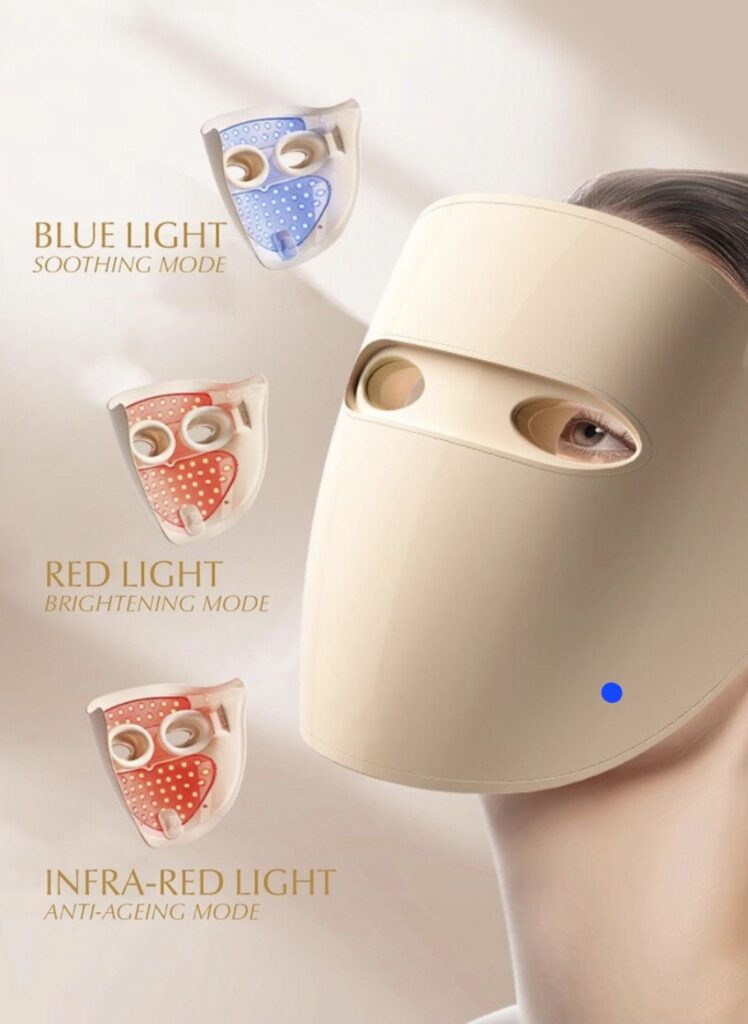
LED therapy is one of the most popular home beauty technologies today.
Instead of using heat or electrical stimulation, LED devices emit specific wavelengths of light that interact with the skin.
Each color serves a different purpose.
Red light is commonly used to support collagen production and improve the appearance of fine lines.
Blue light is primarily associated with reducing acne-causing bacteria on the skin.
Green light is often marketed for improving uneven skin tone and pigmentation, although evidence is generally less established than for red and blue light.
Yellow light is commonly promoted for reducing redness and calming sensitive skin.
LED therapy is painless, requires no downtime, and is suitable for many skin types.
Best for
- Fine lines
- Mild wrinkles
- Acne
- Redness
- Overall skin maintenance
2. Microcurrent Devices
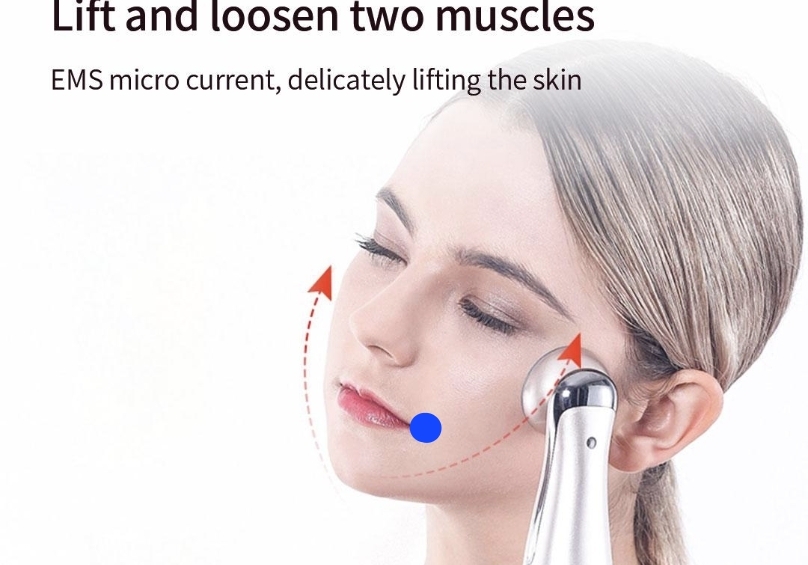
Microcurrent devices deliver extremely low levels of electrical current to facial muscles.
This technology is sometimes called a “facial workout” because it gently stimulates muscles beneath the skin.
Rather than changing the skin directly, microcurrent aims to improve muscle tone, creating a temporary lifting effect.
Many users report improvements in facial definition, reduced puffiness, and a more sculpted appearance after consistent use.
Results are generally temporary, which is why regular maintenance treatments are recommended.
Best for
- Facial lifting
- Jawline definition
- Puffiness
- Early signs of sagging
3. Radio Frequency (RF) Devices
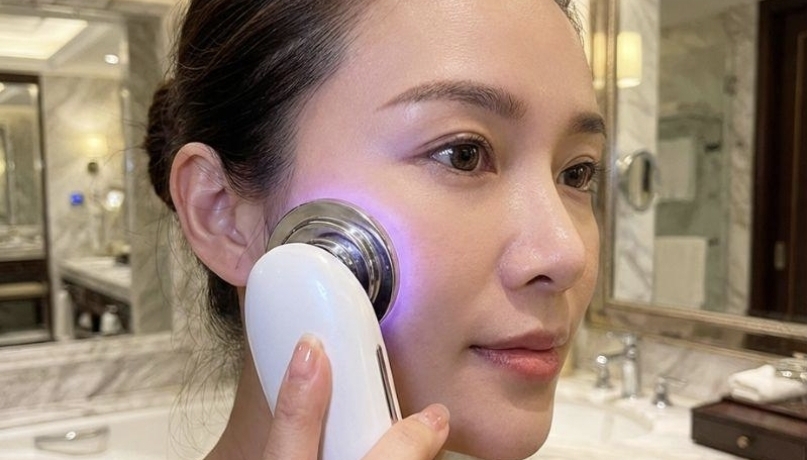
Radio frequency technology works differently from LED or microcurrent devices.
Instead of stimulating muscles or using light, RF devices generate controlled heat within the deeper layers of the skin.
This gentle heating process is intended to encourage collagen remodeling over time.
Collagen is one of the primary structural proteins responsible for firm, youthful-looking skin.
As natural collagen production slows with age, skin gradually becomes thinner and less elastic.
Home RF devices are designed to provide lower-energy treatments than professional machines, making them suitable for repeated use over longer periods.
Best for
- Fine lines
- Skin firmness
- Mild skin laxity
- Preventative anti-aging
Coming Up in Part 2
In the next section, we’ll continue with:
- EMS Devices
- Ultrasonic Devices
- Galvanic Devices
- Microneedling Devices
- IPL Devices
- Cryotherapy Devices
- Facial Steamers
- How to choose the right device based on your skin concerns
- Safety tips before using any home beauty device
- FAQ and internal linking structure
Leave a Reply