4. EMS (Electrical Muscle Stimulation) Devices
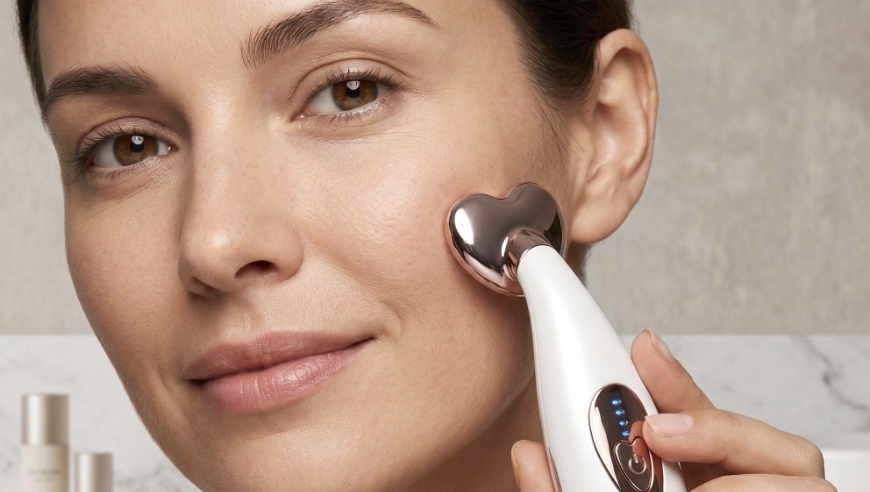
Although EMS and microcurrent devices both use electrical stimulation, they are not exactly the same.
EMS delivers stronger electrical pulses designed to stimulate muscle contractions. Instead of focusing on the skin itself, EMS primarily targets the facial muscles beneath the skin’s surface.
Many users compare EMS to a workout for the face. Regular stimulation may help improve muscle tone, which can make facial contours appear firmer over time.
Because EMS contractions are stronger than microcurrent, first-time users may notice a tingling or twitching sensation. Most devices allow the intensity to be adjusted gradually.
It’s important to remember that EMS cannot permanently reshape the face or replace significant skin tightening procedures. However, it may help improve facial definition when combined with a healthy skincare routine.
Best for
- Mild facial sagging
- Jawline definition
- Cheek firmness
- Facial muscle stimulation
5. Ultrasonic Skin Devices
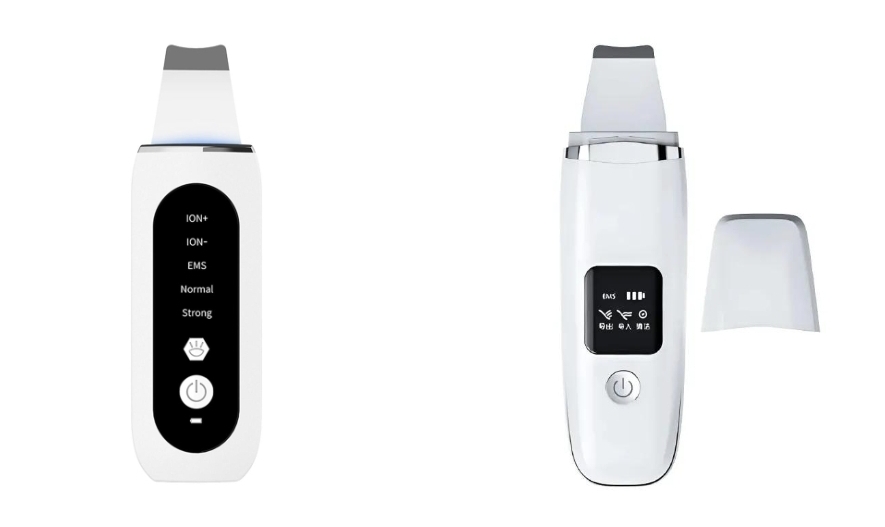
Ultrasonic skincare devices use high-frequency sound waves rather than electricity or light.
One of the most common versions is the ultrasonic skin scrubber, which helps loosen oil, dead skin cells, and impurities from the surface of the skin.
Unlike harsh physical scrubs, ultrasonic vibration provides gentle exfoliation that many people with sensitive skin find more comfortable.
Some ultrasonic devices also claim to improve the absorption of serums and moisturizers by temporarily increasing skin permeability. While this may enhance product penetration to some extent, it does not replace well-formulated skincare ingredients.
Best for
- Congested pores
- Oily skin
- Gentle exfoliation
- Better skincare absorption
6. Galvanic (Ion) Devices
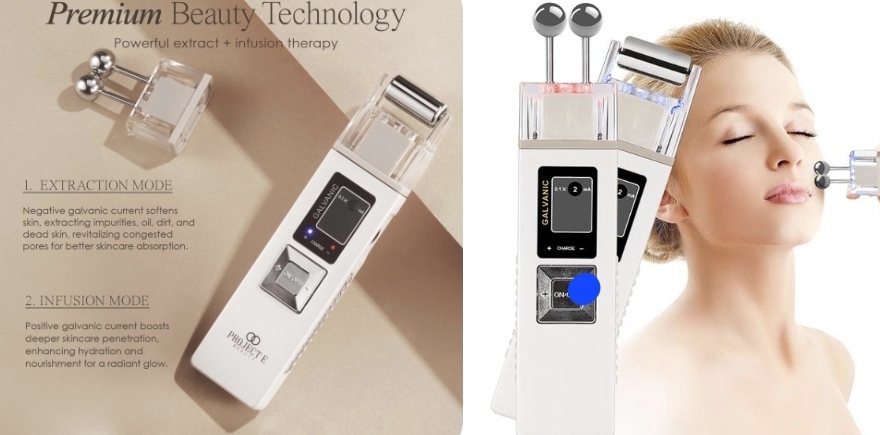
Galvanic devices use low-level direct electrical current to assist different skincare steps.
Many devices include two treatment modes.
The first is a cleansing mode that helps lift impurities from the skin when used with appropriate conductive products.
The second focuses on helping skincare products spread evenly across the skin during application.
Although galvanic technology has been used in professional skincare for many years, home devices operate at much lower energy levels and are intended for regular maintenance rather than intensive treatment.
People often use galvanic devices together with hydrating serums because they glide more comfortably across the skin.
Best for
- Dry skin
- Hydration routines
- Gentle cleansing support
- Daily skincare maintenance
7. Microneedling Devices
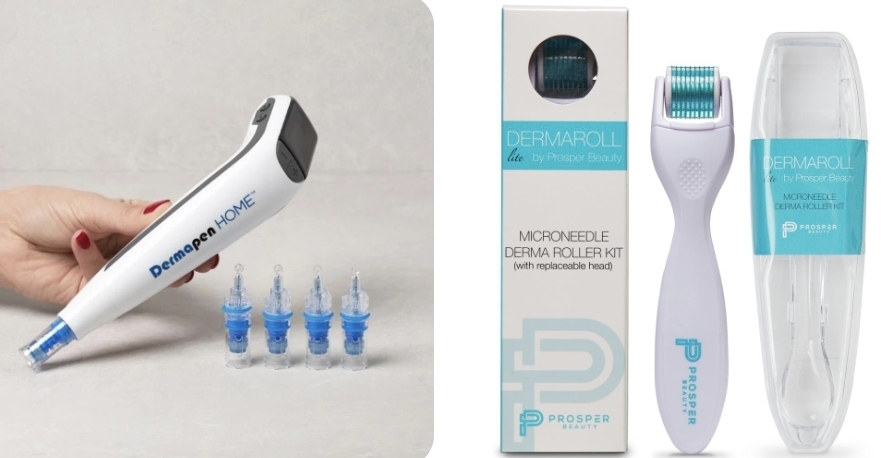
Microneedling has become one of the most talked-about skincare technologies over the past decade.
Home devices use tiny needles to create controlled micro-injuries on the skin surface.
The body’s natural healing response then begins repairing these tiny channels, which may stimulate collagen production over time.
Professional microneedling treatments are performed with longer needles and greater precision than home devices.
Because the skin barrier is intentionally disrupted, hygiene is extremely important.
Rollers or pens should always be cleaned according to the manufacturer’s instructions, and needles should be replaced regularly.
People with active acne, skin infections, eczema flare-ups, or certain medical conditions should avoid microneedling unless advised by a healthcare professional.
Best for
- Acne scars
- Fine lines
- Uneven skin texture
- Enlarged pores
8. IPL (Intense Pulsed Light) Devices
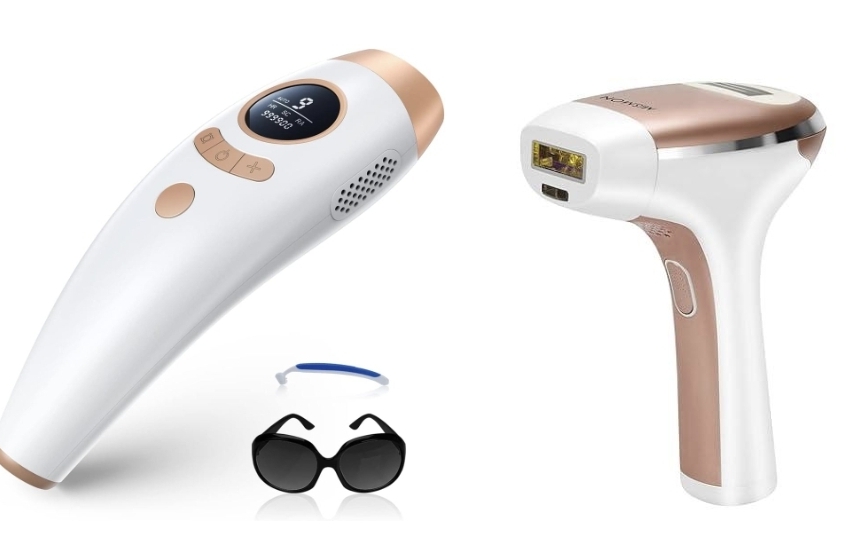
IPL devices use broad-spectrum pulses of light rather than lasers.
At home, they are most commonly used for reducing unwanted body hair.
Some devices also include settings intended to improve the appearance of sun spots or uneven pigmentation, although results vary depending on skin tone and the device used.
Unlike laser treatments performed in clinics, home IPL devices use lower energy levels for safety.
For hair reduction, multiple sessions are usually needed before noticeable changes occur, followed by occasional maintenance treatments.
IPL is not suitable for every skin tone or hair color, so checking the manufacturer’s compatibility chart before purchasing is essential.
Best for
- Hair reduction
- Mild pigmentation
- Sun spots
- Long-term maintenance
9. Cryotherapy Devices
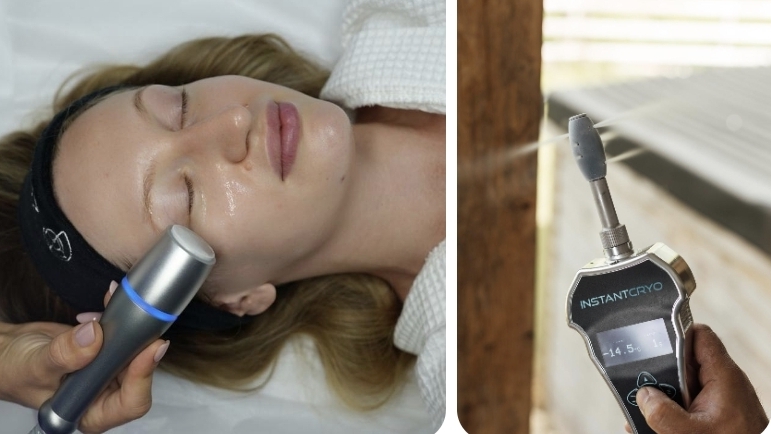
Cryotherapy devices cool the skin instead of heating or stimulating it.
Cooling treatments are commonly used to reduce temporary puffiness, soothe irritated skin, and provide a refreshing feeling after exercise or cosmetic procedures.
Some people keep cooling tools in the refrigerator before use to maximize the cooling effect.
Although cryotherapy will not permanently tighten pores or erase wrinkles, it can temporarily reduce swelling and make the skin appear smoother before makeup application.
Best for
- Puffy skin
- Sensitive skin
- Redness
- Morning skincare routines
10. Facial Steamers
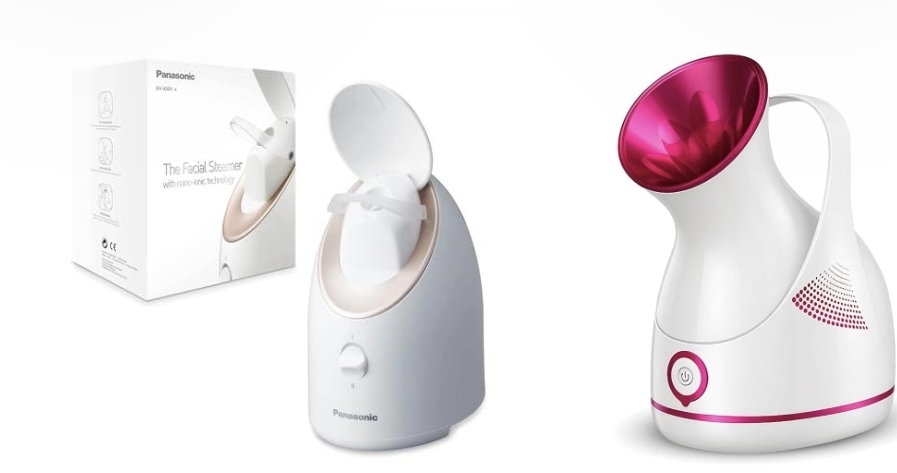
Facial steamers are one of the oldest home skincare tools, yet they remain popular today.
Warm steam softens the outer layer of the skin and can make cleansing more comfortable.
Many people use steam before applying masks or performing extractions because it helps loosen debris around the pores.
However, steaming should not be overused.
People with rosacea or very sensitive skin may find that excessive heat worsens redness.
Most dermatologists recommend limiting steaming sessions to several minutes rather than prolonged exposure.
Best for
- Dry skin
- Pre-cleansing
- Softening dead skin
- Spa-like skincare routines
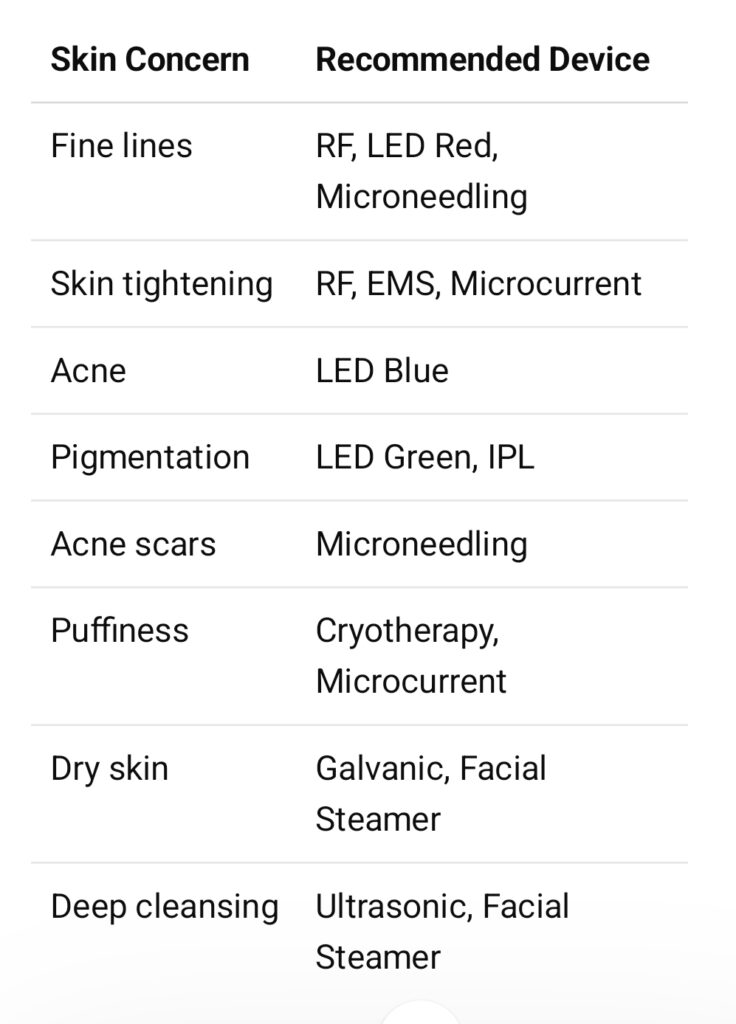
Which Device Is Right for Your Skin Concern?
Leave a Reply