Avocado for Skin: What It Actually Does (and Why People Keep Going Back to It)
If you’ve spent any time looking into “healthy foods for skin,” avocado almost always shows up.
Sometimes it’s described as a superfood. Other times, it’s just casually added to toast, salads, or smoothies without much thought.
But what actually makes avocado so popular when it comes to skin health?
Is it just a trend—or is there something more behind it?
The interesting thing about avocado is that it doesn’t work in a dramatic or immediate way. It’s not the kind of food that suddenly transforms your skin overnight. Instead, it supports your body quietly, in the background.
And over time, that’s often what makes the biggest difference.
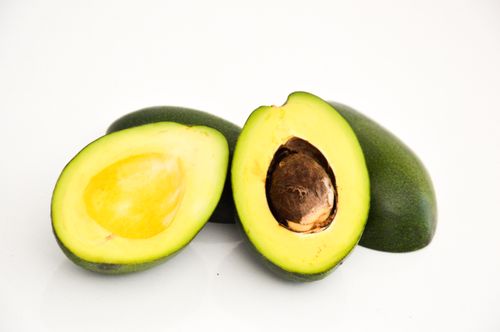
Why Avocado Feels Different from Other “Healthy Foods”
Most foods that are associated with skin health tend to focus on one thing.
For example:
- fruits → vitamins
- supplements → targeted nutrients
But avocado sits somewhere in between.
It’s not just about one vitamin or one benefit. It’s about how everything comes together.
Avocados are rich in:
- healthy fats
- vitamin E
- vitamin C
- fiber
At first glance, that might not sound very exciting. But when you look at how these work together, it starts to make more sense.
The Role of Healthy Fats (And Why Your Skin Needs Them)
One of the biggest reasons avocado is often linked to skin health is its fat content.
And this is where many people misunderstand things.
Fat isn’t automatically bad. In fact, certain fats are essential.
Avocados contain monounsaturated fats, which help your body:
- maintain moisture
- support cell structure
- improve overall balance
When your body has enough of these fats, your skin tends to feel less dry and more stable.
Not instantly—but gradually.

What Happens When Your Skin Lacks These Nutrients
This part is often overlooked.
People usually focus on what to add—but not what happens when something is missing.
When your diet lacks essential fats and nutrients, your skin may start to show signs like:
- dryness
- dullness
- uneven texture
These changes are subtle at first. You might not even notice them day to day.
But over time, they build up.
This is why foods like avocado don’t feel “powerful” in the short term—but become noticeable in the long term.
Vitamin E and Skin Protection
Avocados are also known for their vitamin E content.
If you’ve seen vitamin E in skincare products, this might sound familiar.
It’s often associated with:
- skin protection
- reducing oxidative stress
- supporting overall skin health
In simple terms, vitamin E helps your body deal with the small, daily stresses that affect your skin.
Things like:
- pollution
- sun exposure
- general wear and tear
It’s not something you see overnight, but it contributes to maintaining healthier skin over time.
Avocado and Skin Hydration
Hydration isn’t just about drinking water.
It’s also about how well your body retains moisture.
This is where avocado plays a subtle but important role.
Because of its fat content, it helps your skin:
- hold moisture more effectively
- maintain a smoother appearance
Think of it less like adding water—and more like helping your skin keep what it already has.
Can Avocado Help with Acne?
This is where expectations need to be realistic.
Avocado is not an acne treatment.
It won’t “clear your skin” in the way some products claim to.
But that doesn’t mean it has no effect.
What it does instead is support the conditions that influence your skin.
For example:
- reducing internal imbalance
- supporting nutrient intake
- helping maintain stable energy levels
All of these factors can play a role in how your skin behaves.
So while avocado won’t directly remove acne, it may contribute to a more stable baseline.
Why People Keep Coming Back to It
There’s a reason avocado keeps showing up in different diets and routines.
It’s not just about nutrients—it’s about practicality.
Avocados are:
- easy to prepare
- easy to combine with other foods
- widely available
This matters more than people think.
Because the real challenge isn’t finding the “perfect food.”
It’s finding something you can actually stick with.
Simple Ways to Include Avocado
This doesn’t need to be complicated.
Some of the simplest options include:
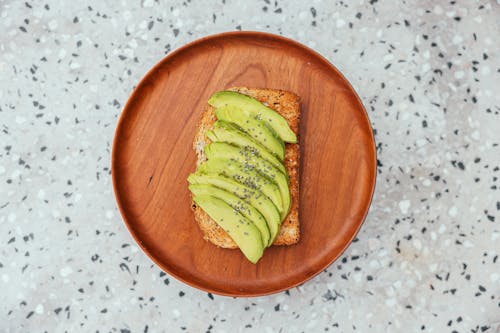
- adding slices to toast
- mixing into salads
- blending into smoothies
The key is not variety—it’s consistency.
You don’t need ten different recipes. You just need one or two that fit your routine.

Common Misconceptions About Avocado
“It’s too high in fat”
This is technically true—but misleading.
The type of fat matters more than the amount.
“More avocado = better skin”
Not necessarily.
Balance is always more important than excess.
“It works quickly”
It doesn’t.
And that’s actually a good thing.
Because slow, consistent improvements tend to last longer.
When Avocado Alone Isn’t Enough
As useful as avocado can be, it’s still just one part of a larger system.
Your skin is influenced by:
- overall diet
- lifestyle
- sleep
- stress
No single food can replace all of that.
But it can support it.
And sometimes, that’s enough to create noticeable change over time.
Final Thoughts
Avocado isn’t a miracle solution—and it doesn’t need to be.
Its value comes from consistency, balance, and simplicity.
If you’re looking for something sustainable rather than extreme, it’s one of the easiest places to start.
And in the long run, that’s what tends to work best.
Leave a Reply