What Actually Happens During and After Cosmetic Procedures (A Realistic Guide Before You Decide)
Interest in aesthetic procedures has grown rapidly over the past decade, not only in clinical settings but also in everyday conversations.
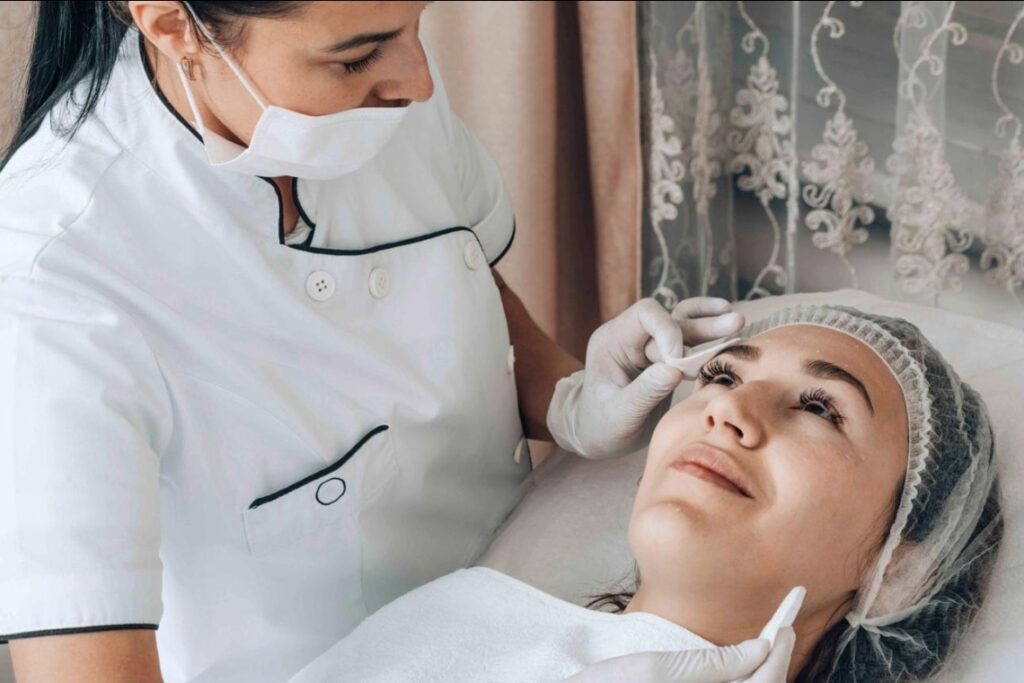
What was once considered a major decision is now often discussed casually—alongside skincare routines, diet, and lifestyle habits.
But while accessibility has increased, understanding has not always kept pace.
Many people approach cosmetic procedures with a general idea of the results they want, yet with limited clarity on what the process actually involves.
And that gap—between expectation and reality—is where most confusion begins.
Understanding the Scope: More Than Just “Surgery”
One of the first misconceptions is grouping all procedures into a single category.
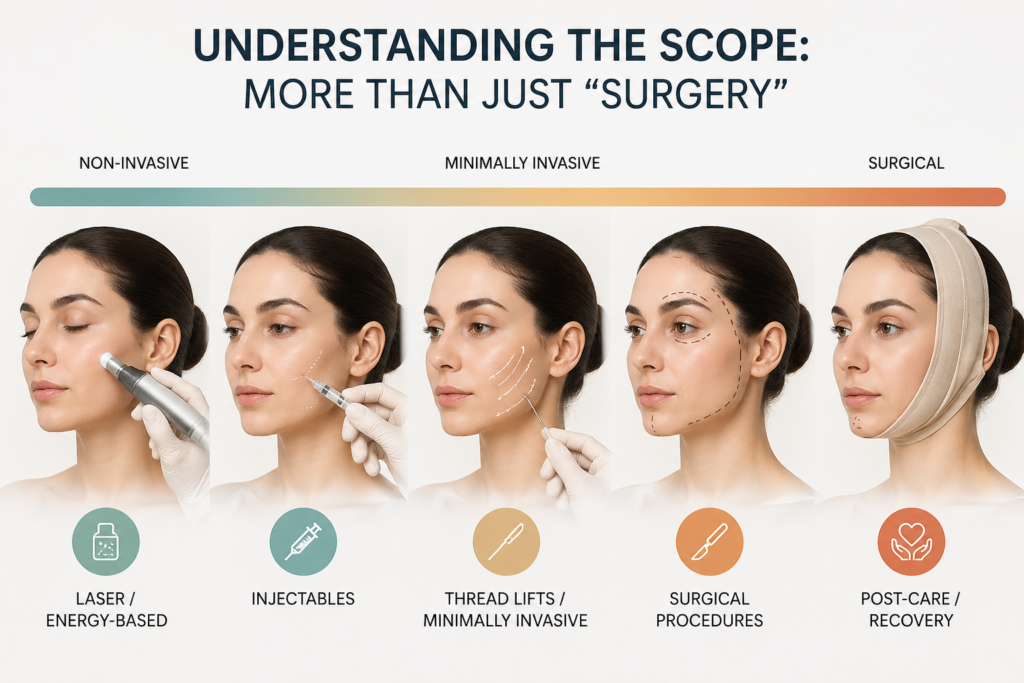
In reality, aesthetic procedures exist on a spectrum.
At one end, there are non-invasive treatments such as injectables or laser-based procedures.
At the other, there are surgical interventions that involve structural changes.
Each category differs not only in technique, but also in recovery time, risk profile, and long-term impact.
Understanding where a procedure falls on this spectrum is essential before evaluating whether it aligns with your expectations.
The Consultation Phase: Where Most Decisions Are Shaped
Before any procedure takes place, the consultation phase plays a critical role.
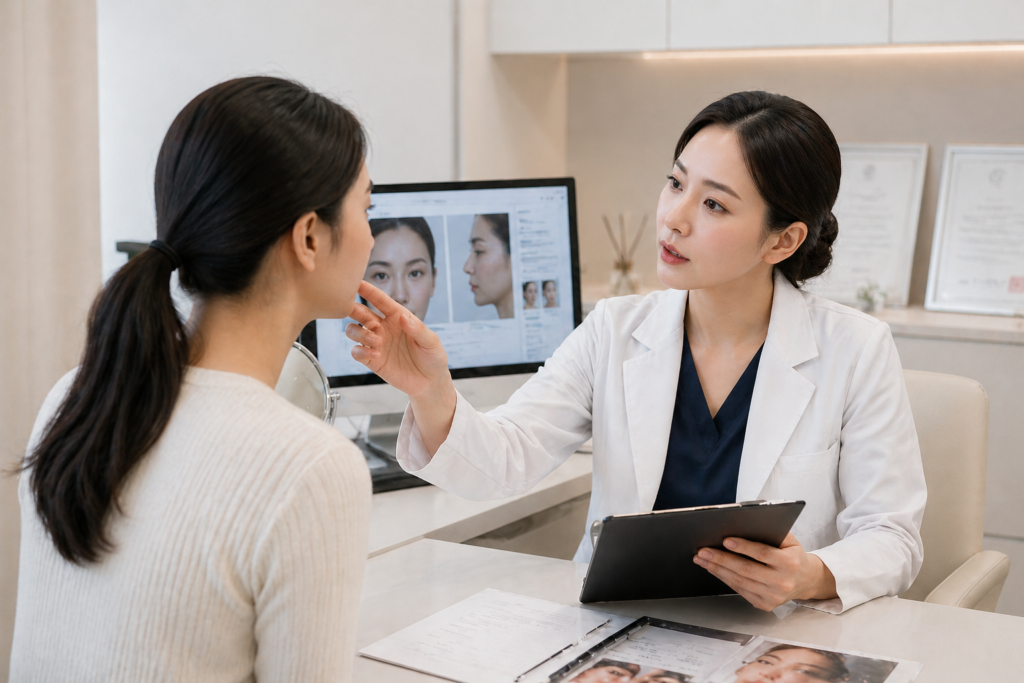
This is not simply a formality—it is where:
• individual goals are assessed
• anatomical structure is evaluated
•realistic outcomes are discussed
A well-informed consultation does not focus only on what is possible, but also on what may not be advisable.
Factors such as skin condition, tissue thickness, facial balance, and healing response all influence the final outcome.
This is why two individuals seeking the same procedure may receive very different recommendations.
What Happens During the Procedure
The procedure itself varies widely depending on its type.
However, there are consistent elements that apply across most aesthetic interventions.
These include:
• preparation of the treatment area
• application of anesthesia (local or general)
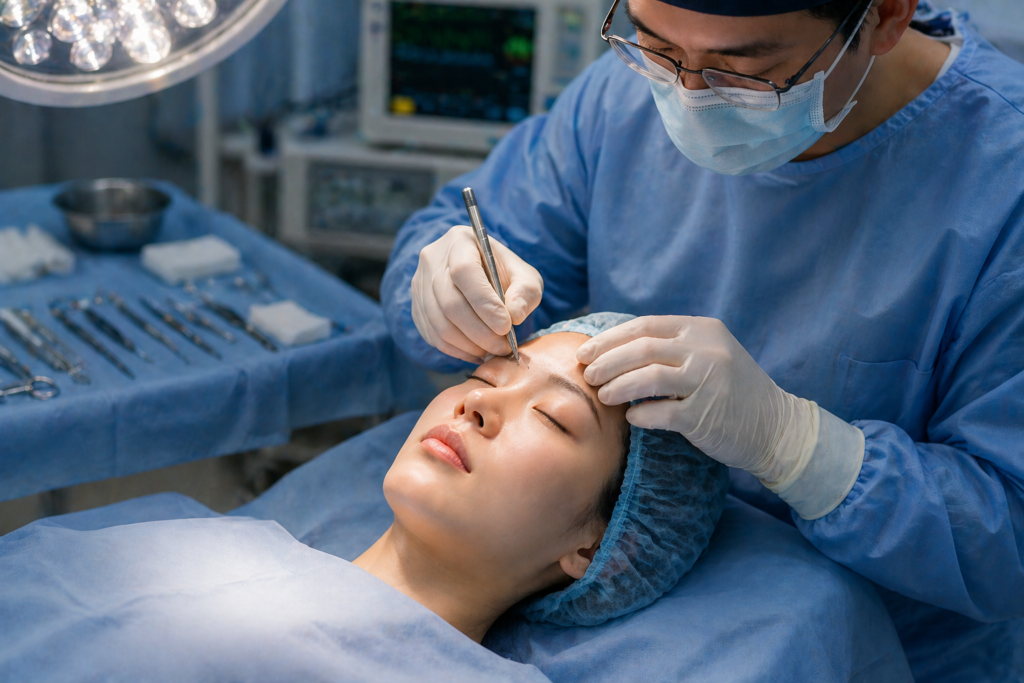
• controlled modification of targeted structures
In non-invasive procedures, this may involve precise injections or energy-based devices
.In surgical procedures, it may involve incisions, repositioning, or removal of tissue.
Despite these differences, the objective remains the same:
👉 to achieve a controlled and predictable change while minimizing unnecessary trauma.
The Immediate Aftermath: What People Often Underestimate
One of the most overlooked aspects of cosmetic procedures is the immediate post-procedure phase.
This is where expectations frequently diverge from reality.
Common short-term responses include:
• swelling
• asymmetry
• bruising
• temporary stiffness or tightness
These effects are not complications—they are part of the body’s natural response to intervention.
However, without prior understanding, they can feel unexpected or concerning.
The Recovery Timeline: Gradual, Not Instant
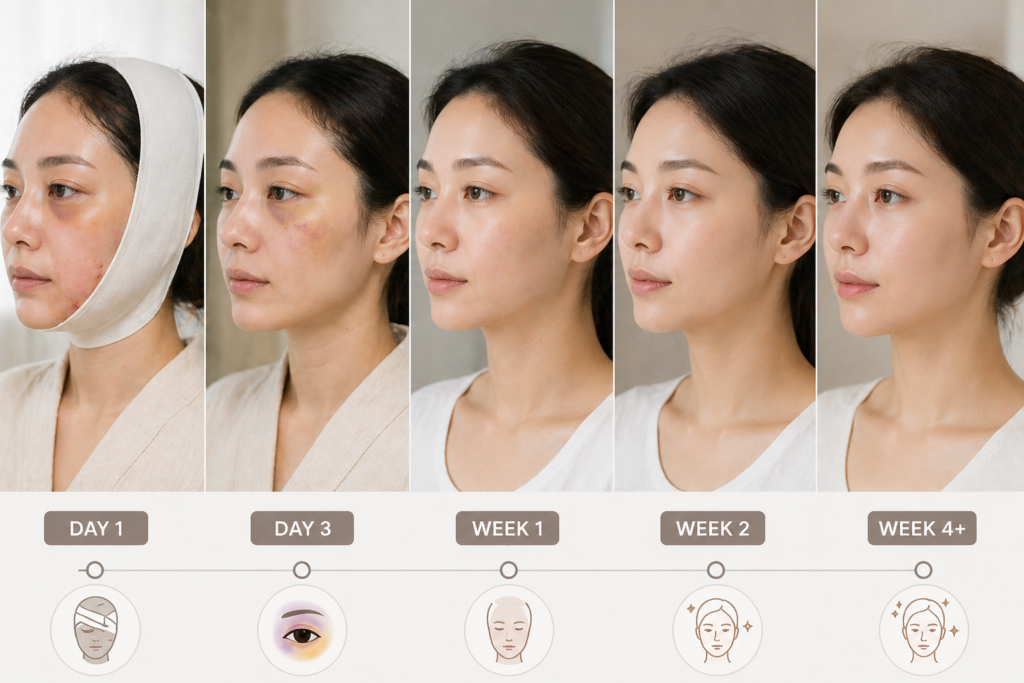
Contrary to common assumptions, results are rarely immediate.
Even in non-invasive treatments, the visible outcome often evolves over time.
In surgical procedures, this process can extend over several weeks—or even months.
Healing occurs in stages:
- initial inflammation
2. tissue stabilization
3. gradual refinement of results
During this period, subtle changes continue to occur, often long after the visible signs of recovery have subsided.
This is why early impressions do not always reflect the final outcome.
Expectation vs Reality: The Most Important Gap
A recurring issue in aesthetic procedures is the gap between expected and actual results.
This is not necessarily due to poor technique, but rather to unrealistic assumptions.
For example:
• expecting symmetry in inherently asymmetrical structures
• anticipating immediate results without a recovery phase
•assuming results are permanent when maintenance may be required
Understanding these limitations does not reduce the value of a procedure—it clarifies its role.
Risk Is Not Binary
Another common misconception is viewing procedures as either “safe” or “dangerous.”
In reality, risk exists on a spectrum.
Even minimally invasive treatments carry potential side effects.
Similarly, more complex procedures can be performed safely under appropriate conditions.
The key is not eliminating risk entirely—that is rarely possible—but understanding it in context.
The Role of Individual Variation
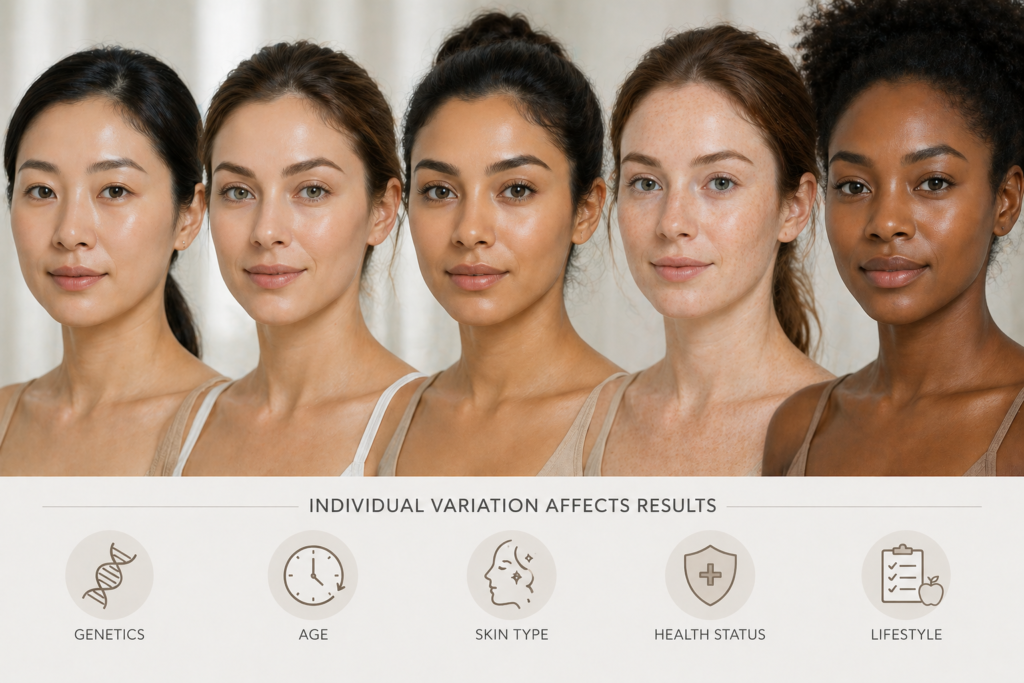
No two individuals respond in exactly the same way.
Factors that influence outcomes include:
• skin elasticity
• healing speed
• lifestyle habits
• overall health
This variability is why standardized results do not exist.
What can be predicted is the general pattern—not the exact outcome.
A More Informed Perspective
Approaching aesthetic procedures with a clear and realistic understanding changes the decision-making process.
Instead of focusing solely on results, attention shifts toward:
• process
• recovery
• long-term maintenance
This perspective does not discourage procedures—it contextualizes them.
Final Thoughts
Cosmetic procedures are neither as simple as they are sometimes presented, nor as unpredictable as they may seem.
They exist within a structured framework of medical principles, biological responses, and individual variation.
Understanding that framework is what transforms a vague interest into an informed decision.
Not by removing uncertainty entirely, but by replacing assumptions with clarity.
Leave a Reply